
How Often Does a Septic Tank Need Cleaning?
The 3 to 5 year window is the standard baseline for a 1,000 gallon residential tank. If your household grew, added a laundry room, or you're running more water through the system than the tank was sized for, you're on the shorter end of that range. Fewer people, a bigger tank, lighter water use: you drift toward 5 years. This is not the same math as septic tank cleaning cost planning, but the two go hand in hand once you know your interval, and the how often to pump a septic tank question comes up constantly alongside it. Pasadena homes on older lots sometimes have tanks that were undersized for how the property is used today, which shortens the interval regardless of what the manual says. If you're not sure which end of the range applies to you, watch for septic tank warning signs between scheduled pumpings rather than guessing. A grease interceptor, by contrast, runs on a completely different clock: it gets pumped once fats, oils, grease and solids reach 25 percent of the liquid depth, which for a busy kitchen can mean monthly service. If your property in Pasadena has a commercial kitchen or shared dining space, look at grease trap pumping as a separate schedule entirely from the residential tank.
What Determines the Right Pumping Frequency?
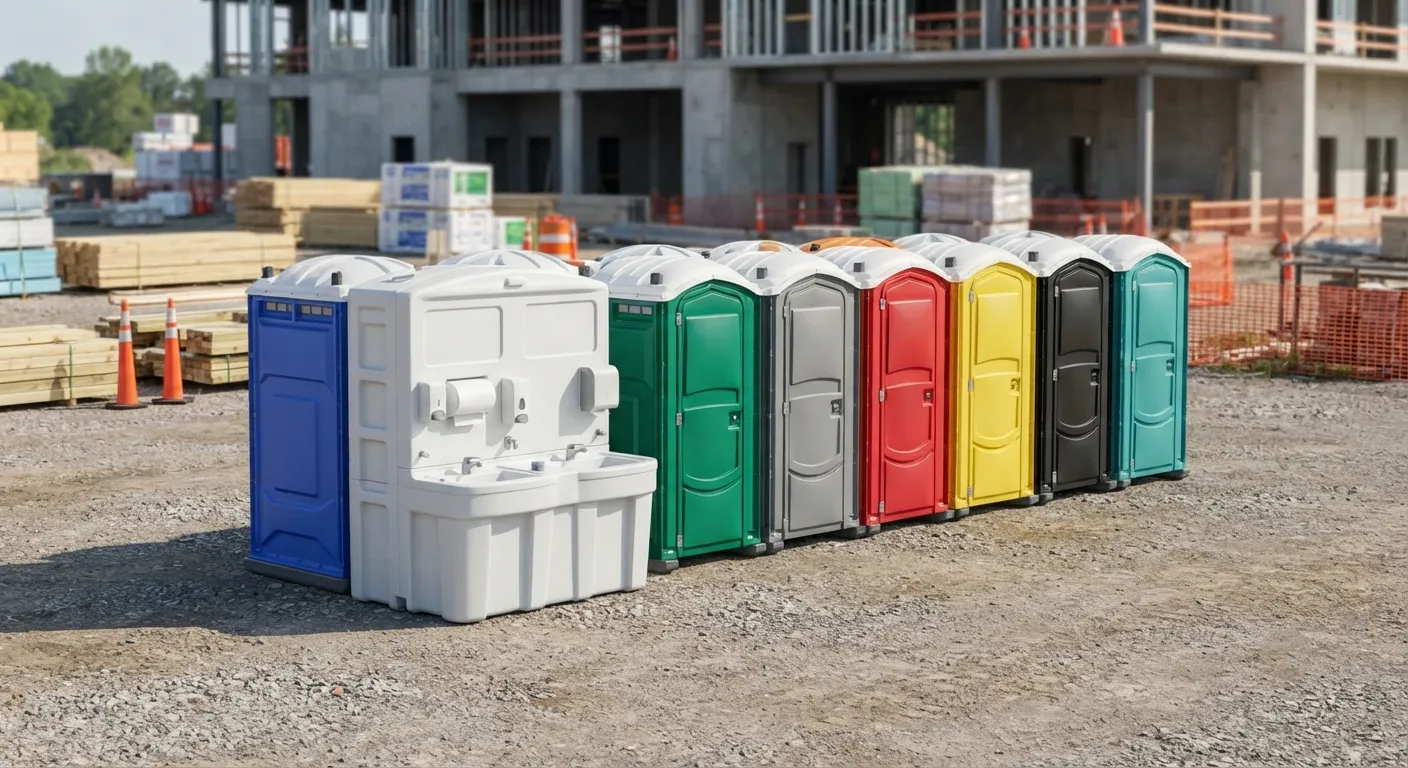
Tank size versus household size drives everything, the same way crew size drives how many porta potties do I need on a job site. A 1,000 gallon tank serving two people stretches further than the same tank serving six. Garbage disposals, frequent laundry, and hot tubs all add load and shrink the interval. Soil conditions matter too: some Pasadena lots drain slower than others, and a sluggish leach field backs pressure onto the tank sooner. None of this is guesswork you have to do alone, and it is the same principle behind OSHA portable toilet requirements on a work site: someone measures the actual load instead of assuming. Septic pumping service providers can measure scum and sludge layers directly and tell you where you actually sit in the 3 to 5 year window instead of relying on an average. If you're building new or adding a structure and need interim capacity while the system gets sized correctly, a holding tank rental covers that gap. For anyone using well water instead of city supply, keep in mind OSHA 1926.51(a)(1) requires an adequate supply of potable water at any workplace, which matters if you're running a home business or job site off the same property, and pairs with a handwashing station rental if the site also needs sanitation for workers. It's a construction standard, not a septic one, but it's the kind of overlap Pasadena property owners run into when a septic system also serves a work site.
Why Does Skipping a Pumping Cost More Later?
Solids that aren't pumped out eventually migrate into the leach field, and once that happens you're looking at field replacement instead of a routine service call, similar to how neglecting septic tank warning signs turns a service call into a bigger repair. That's a five-figure difference in most cases, not a rounding error. A tank pumped on schedule protects the field; a tank pumped late or never gambles with it. This is the same logic that applies to any holding system under regular load. Septic tank cleaning on a predictable interval is cheaper than emergency intervention after a backup, and emergency septic service calls in Pasadena tend to happen precisely because someone stretched the interval past what their household size could support. If you manage several rental properties or a commercial site, treating pumping as a fixed calendar item rather than a reactive one is the only way to avoid surprise field failures across the portfolio, the same discipline that keeps a construction site services schedule from falling apart.
When Should You Call a Professional Instead of Waiting?
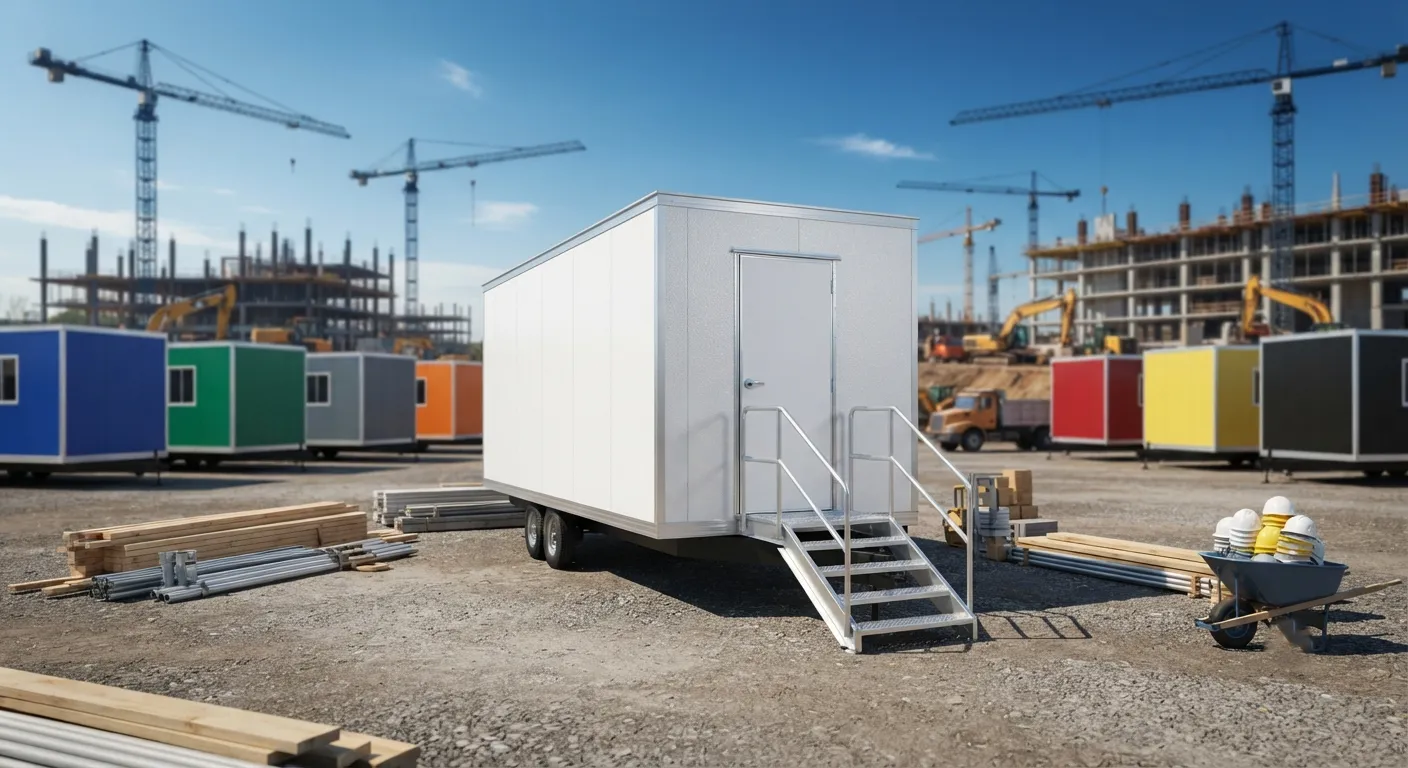
Slow drains, gurgling pipes, standing water over the drain field, or a sewage odor near the tank mean don't wait for the calendar. These are warning signs, not confirmations that pumping alone will fix it, but they're the signal to call now rather than at year five. Pasadena Porta Pros coordinates septic work alongside other site needs, which matters if you're also managing a renovation, whether that means a storage container rental for tools or a temporary fence rental around the work zone. A home renovation porta potty keeps the household running while crews are on the property, and if the job involves any debris removal, a roll-off dumpster rental or a 10 yard dumpster rental covers that separately from the septic work. For larger properties near South Pasadena, about 4.8 miles south, or San Marino, roughly 5.0 miles southeast, the same 3 to 5 year guidance applies, but access for the pump truck can differ lot to lot, so measure your driveway clearance before scheduling, and check service areas if your property sits closer to Alhambra or San Gabriel.
| service | duration | low | typical | high |
|---|---|---|---|---|
| septic | day | 150 | 250 | 300 |
| septic | weekend | 50 | 100 | 150 |
How do I know my tank size?
Check your property records or the original septic permit, or have a technician measure it during the first pumping. Most residential tanks run 1,000 gallons, but older Pasadena homes sometimes have smaller tanks that need more frequent service than the standard interval suggests.
Can I extend the interval by using less water?
Somewhat. Spreading out laundry loads and avoiding garbage disposal overuse helps, but it won't turn a 3 year tank into a 5 year one. Household size and tank capacity still set the outer limits of what's realistic.
Does a full house of guests change my schedule?
Yes, temporarily. A holiday with extended family or a long-term guest adds real load to the tank. If it happens often, treat your actual interval as closer to 3 years rather than 5, and consider a portable toilet rental or an ADA accessible porta potty for high-occupancy events instead.
What happens during a pumping visit?
A technician locates the access port, pumps out sludge and scum, and often inspects the baffles and tank walls for damage, much like the walkthrough described in how do porta potties work for the rental side of sanitation. It's a fast visit for a routine tank, longer if the crew needs to locate a buried lid first.
Is grease trap pumping the same schedule as septic?
No. Grease interceptors are pumped once solids reach 25 percent of liquid depth, often monthly for active kitchens, which is a much shorter cycle than the 3 to 5 year residential septic window, and worth reviewing alongside septic pumping service options if your property runs both systems.
Next step
Get a delivery date
Tell us the address, the dates and the headcount. We size the order and confirm the route.