How Do Porta Potties Work?
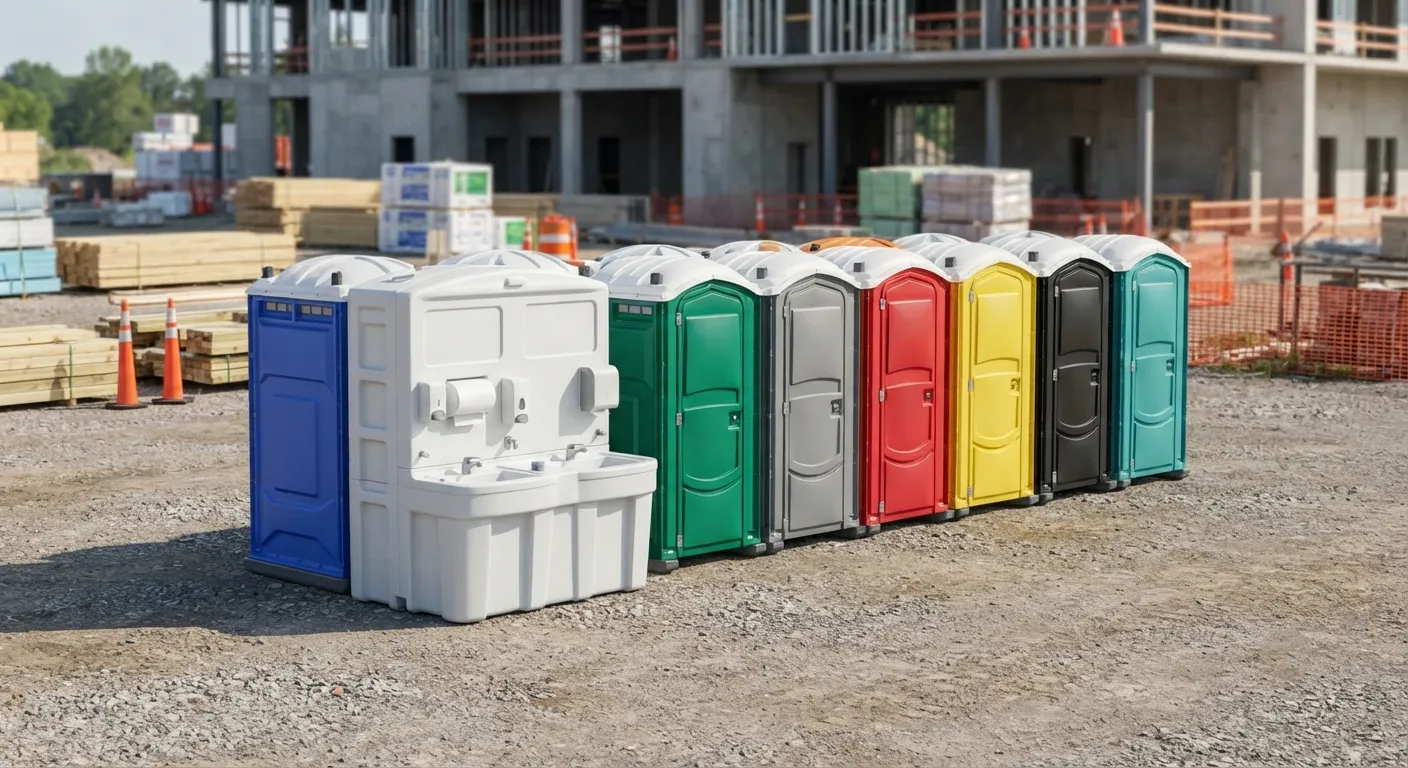
Underneath the seat sits a holding tank, the same 60 to 70 gallon size you'll find on most standard porta potty rental units in Pasadena. There's no water hookup and no drain line. Waste drops straight into the tank, where a blue chemical treatment breaks down solids, controls odor and keeps the liquid from splashing when the door opens and closes. A vent stack pulls air out of the tank rather than through the cabin, which is why a well-serviced unit doesn't smell like you'd expect. The whole cabin stands about 92 inches tall and measures roughly 44 by 48 inches on the ground, small enough to tuck into a jobsite corner or a backyard for a party. Service crews come on a route, pump the tank with a vacuum hose, rinse it, and refill the chemical charge before moving to the next stop. That's the same basic setup whether it's sitting on a construction site off the 210 or parked for a weekend event near the Rose Bowl. If you're trying to figure out how many you'll need for a crew or a guest list, the porta potty placement guide and the how many porta potties do I need page both walk through the math.
How Do Flushable Porta Potties Work?
A flushable or deluxe unit adds a small onboard freshwater tank and a foot pump or pressure flush that pushes a splash of water into the bowl after each use, which cuts odor more than a standard unit does. It still drains into the same style of holding tank underneath, just with a bit more plumbing built into the cabin. These deluxe flushable porta potty units also usually include a hand sanitizer dispenser and sometimes a small sink basin. They cost more to rent than a standard unit and make sense for weddings, corporate events, or any job where guests expect something closer to a real bathroom. If you're comparing options for an outdoor event in Pasadena, it's worth checking the event restroom rental and wedding restroom rental pages, since guest-facing setups usually call for a nicer unit than a bare-bones jobsite toilet.
How Do Camping Porta Potties Work?
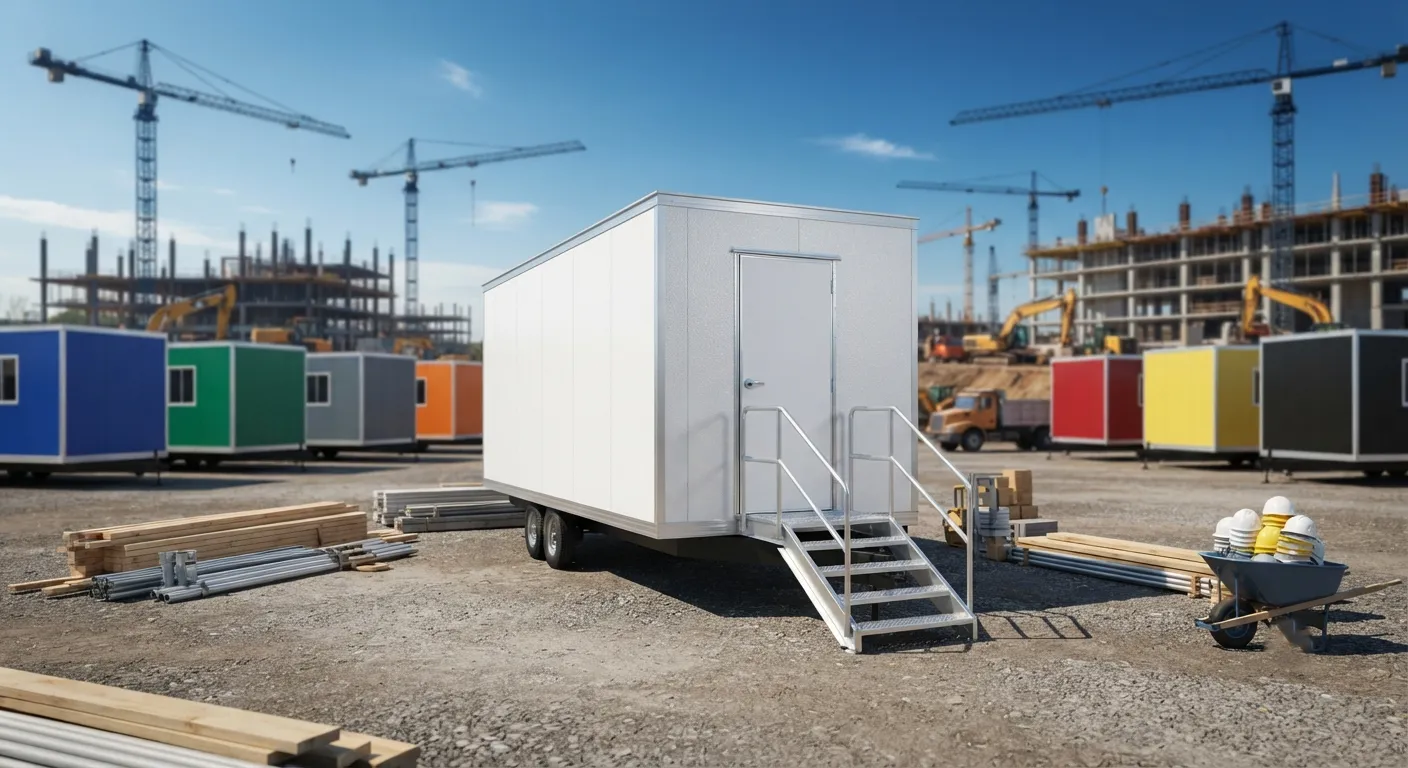
Camping units work the same way as jobsite units, just smaller and sometimes portable enough to move by hand. Some are built into trailers for backcountry or overflow use, others are simple cassette-style toilets with a removable waste tank you empty yourself. For group camping trips or organized outdoor events, renting a serviced unit beats hauling your own, and the camping porta potty option covers short stays without needing a permanent hookup. Anywhere water access is limited, this same no-plumbing setup is what makes portable sanitation possible at all, whether that's a campground, a farm labor site, or a disaster response area covered under the disaster relief sanitation page.
How Does a Portable Sink Work?
A portable sink runs off a similar principle: a built-in freshwater tank feeds the faucet, usually by foot pump or small motor, and a separate greywater tank underneath catches the runoff so nothing drains onto the ground. Soap and a towel or air dryer are standard, which matters because 29 CFR 1910.141(d)(2) requires washing facilities to include soap and towels or a hand-drying device, not just sanitizer. On a construction site, OSHA 1926.51(f)(1) requires washing facilities where crews are applying paints, coatings, herbicides or insecticides, since those jobs leave contaminants sanitizer alone won't remove. A portable sink rental or a handwashing station rental covers that requirement without a plumbed bathroom nearby. For sites that only need quick sanitizing between tasks, a hand sanitizer station rental is a lighter option, though it doesn't substitute for full washing facilities under the CFR standard. Full requirements are laid out on the handwashing requirements page.
How Many Porta Potties Does a Construction Crew Need?
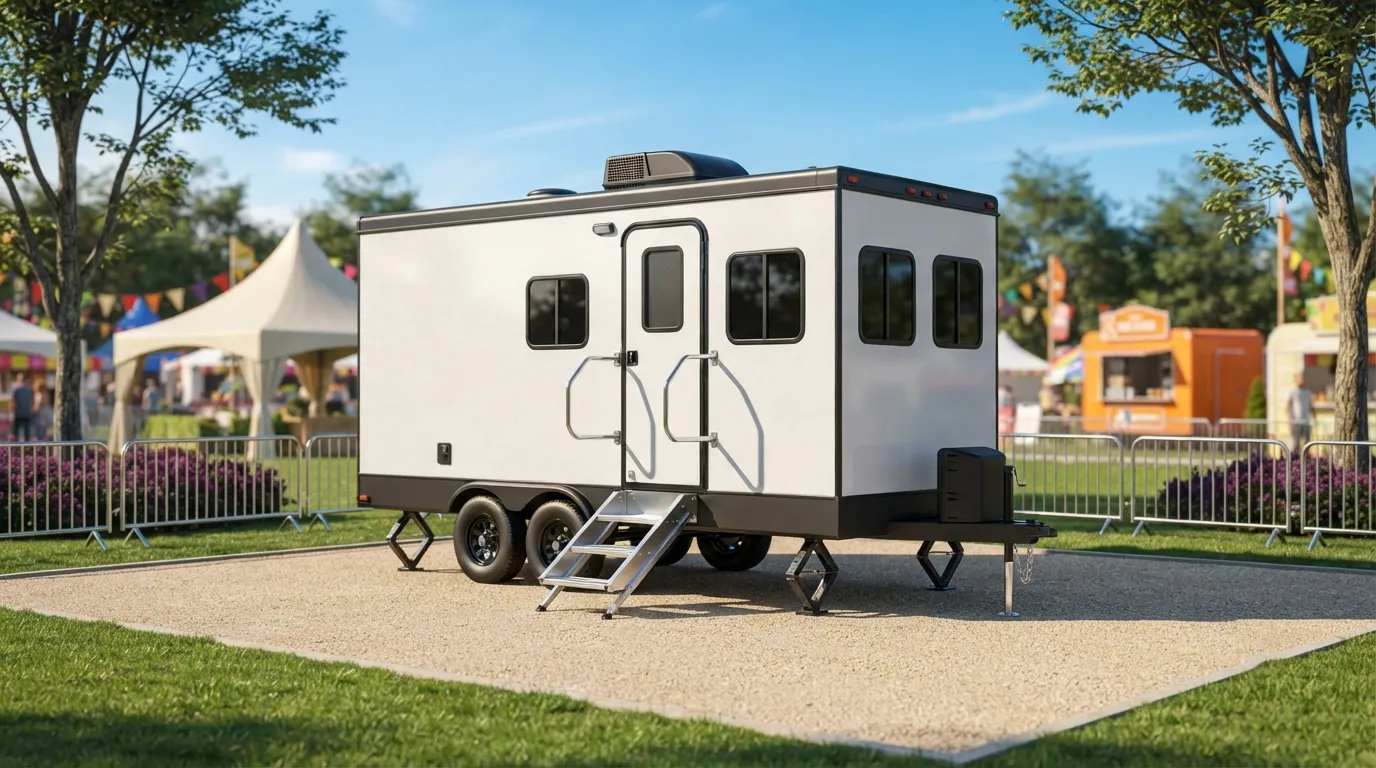
OSHA 1926.51(c) sets the baseline: one toilet facility for 20 workers or fewer, then one toilet and one urinal per 40 workers up to 200, and one per 50 above that. A construction worker running to a porta potty across a busy site loses time fast if there's only one unit for forty people, so most Pasadena contractors plan around this table rather than guessing.
| crew size | units required |
|---|---|
| up to 20 | 1 |
| 20-199 | 1 per 40 workers |
| 200+ | 1 per 50 workers |
ANSI/PSAI Z4.3 sets the standard service interval at once per week for up to 10 users over a 40 hour week, which is the baseline Pasadena Porta Pros uses before adjusting for bigger crews. Sites needing wash stations too can pair units through construction site services or check exact ratios on the OSHA portable toilet requirements page.
Do porta potties need to be near a septic tank or sewer line?
No. That's the entire point. Waste stays in the sealed tank until a service truck pumps it out, so units go anywhere, including sites without a sewer hookup. Homes with an actual septic system still need routine septic tank cleaning on a 3 to 5 year cycle, but that's separate from portable toilet service.
What chemicals go into a porta potty?
A blue deodorizing chemical treats the holding tank, breaking down solids and masking odor between services. It's a different product than septic tank cleaning chemicals used in home systems. Crews searching "portable toilet chemicals near me" are usually maintenance companies, not renters, since Pasadena Porta Pros handles the chemical charge as part of every service visit.
How often do porta potties get serviced?
Standard rentals get serviced roughly once a week under the ANSI/PSAI Z4.3 baseline, more often for high-traffic sites or events. Construction sites with full crews usually need mid-week pumping too. Details are on the how often are porta potties cleaned page.
Do porta potties smell bad?
Not when serviced on schedule. The vent stack and chemical treatment handle most odor, and a fresh pump-out resets the tank completely. Units left too long between services, or overloaded for the crew size, are where smell complaints come from. More on the do porta potties smell page.
Are ADA-compliant porta potties different?
Yes. ADA units are larger, with a wider door and turning space that meets ADA Standards 304.3.1's 60 inch turning circle and 404.2.3's 32 inch clear door opening. Clustered units need at least 5 percent accessible per ADA Standards 213.2. Details are on the ADA accessible porta potty page.
Next step
Get a delivery date
Tell us the address, the dates and the headcount. We size the order and confirm the route.