How fast can portable sanitation reach a disaster site in Pasadena?
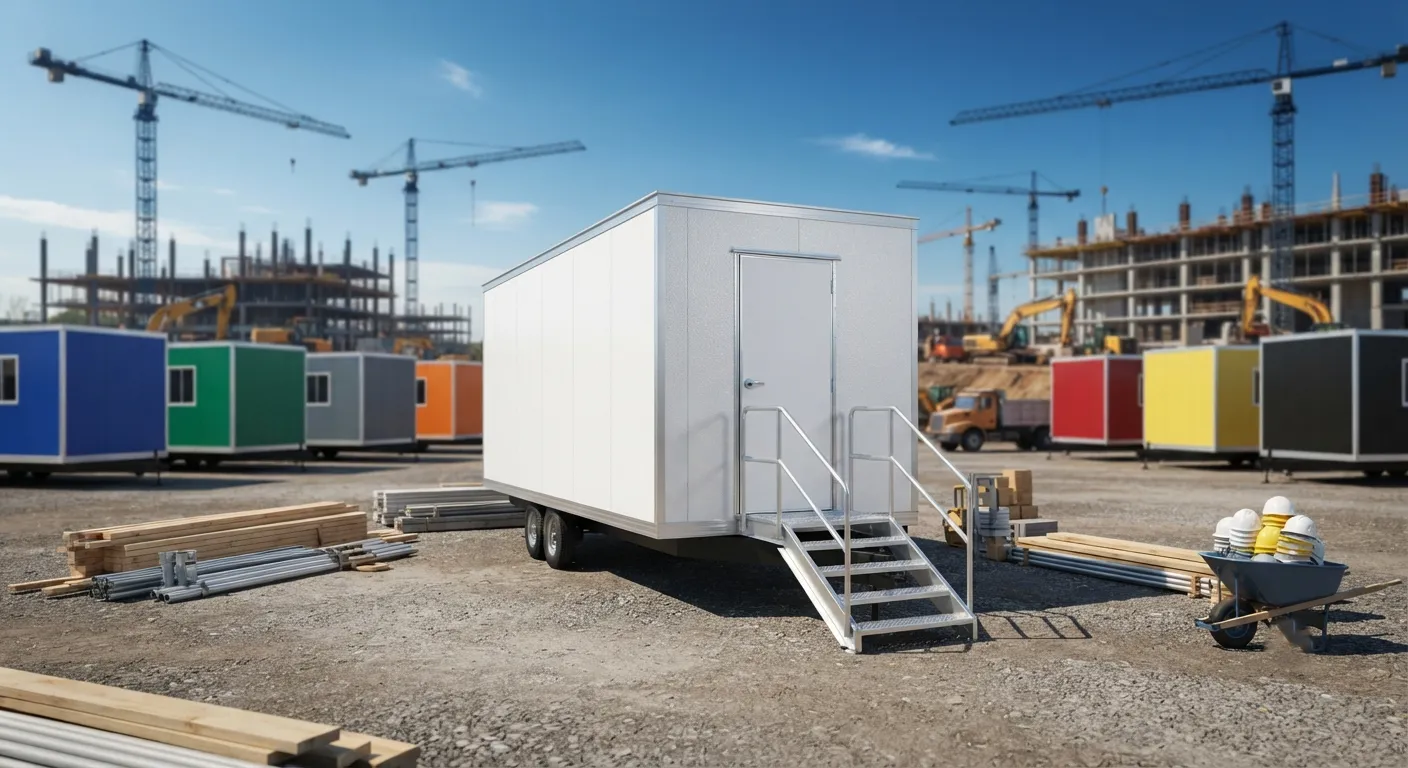
Speed matters most in the first 24 to 48 hours, when shelters fill and normal plumbing is unreliable or unsafe. Pasadena Porta Pros treats disaster calls as priority dispatch, pulling from stock already staged for emergency porta potty rental rather than building an order from scratch. A standard unit needs only about 44 by 48 inches of ground space and stands roughly 92 inches tall, so it fits tight staging areas at shelters, parking lots or church lawns without special clearance. For larger response sites, restroom trailer rental options add multiple stalls fast, and a 4 stall restroom trailer can cover a mid-size shelter population without the long queue a single unit creates. Roll-off clearance still applies if debris removal is part of the response: a roll-off dumpster rental needs about 60 feet of straight clearance behind the delivery truck, which matters when streets are blocked or narrowed by debris. La Cañada Flintridge sits 5.6 miles northwest of Pasadena and Altadena-adjacent responses often stage from the same yard, so equipment can reach either direction quickly. Crews coordinate with construction site services teams already working recovery sites so toilets, fencing and dumpsters land together instead of in separate trips.
What sanitation does a shelter or command post actually need?
A shelter needs toilets, handwashing, and a way to keep the site secure, and OSHA's general sanitation ratio under 1926.51(c) is a reasonable starting benchmark even outside a construction context: 1 toilet for 20 people or fewer, scaling up from there. Handwashing is not optional. Under 29 CFR 1910.141(d)(2), washing facilities must be stocked with soap and towels or a hand-drying device; hand sanitizer alone does not satisfy that standard, which is why handwashing station rental and portable sink rental go out alongside toilets on most disaster orders. Potable water is also required under OSHA 1926.51(a)(1), and a hand sanitizer station rental supplements but never replaces a real sink setup. Sites serving people with mobility limitations need at least one accessible unit per ADA Standards 213.2 when units are clustered, and that unit needs a 60 inch turning circle under ADA 304.3.1 plus a stable, slip-resistant surface under ADA 302.1; our ADA accessible porta potty line meets that spec. Security matters too. Temporary fence rental or chain link temporary fence keeps a staging yard controlled, and barricades used on-site should conform to ANSI D6.1 per OSHA 1926.202. Displaced families needing short-term storage for salvaged belongings can add storage container rental or a 20ft storage container to the same delivery.
Is disaster sanitation different from a regular event or job site rental?
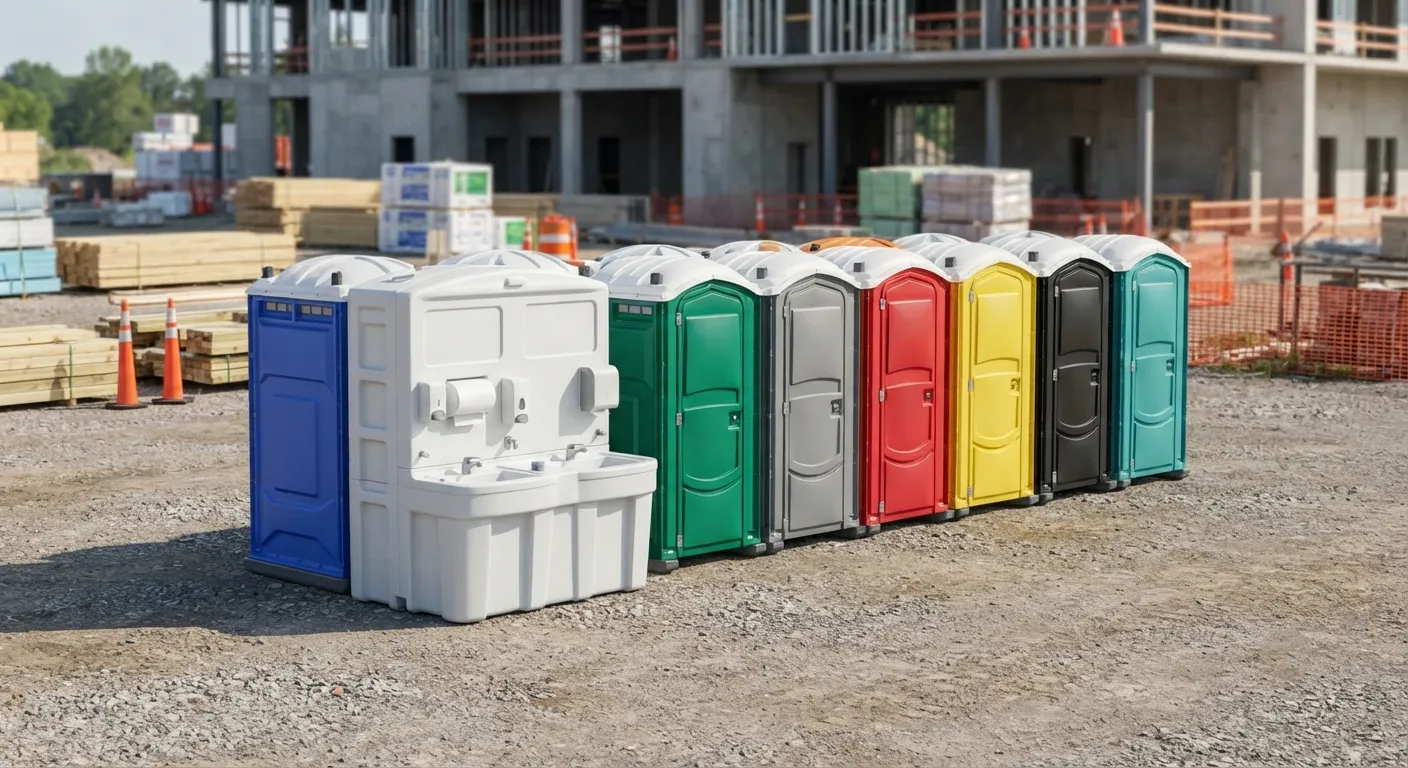
The core equipment is the same, but the timeline and the mix change. A festival or wedding orders weeks out; a disaster order goes out same day, often with units, portable restroom rental trailers and a light tower rental all riding the same truck because shelters run overnight. Water and waste service also has to hold up under heavier, less predictable use than a typical standard porta potty rental sees at a scheduled event, so service intervals get tightened rather than left at the standard weekly baseline. Grease and food waste from shelter kitchens can build up fast; a grease interceptor is normally pumped once fats, oils, grease and solids reach 25 percent of liquid depth, and shelter kitchens should get grease trap pumping checked early rather than waiting for a problem. Septic-served buildings pressed into shelter use may also need faster attention than the usual 3 to 5 year household pumping cycle, so septic pumping service and emergency septic service are worth a call before a tank backs up under sudden heavy use. South Pasadena, 4.8 miles south, and Alhambra, 5.8 miles south, are both close enough that equipment staged in Pasadena can reach either city inside the same response window. Anyone unsure how many units a shelter population actually needs can use how many porta potties do I need as a starting point before calling in the exact count.
Can you deliver sanitation equipment on the same day during an active disaster?
Often yes, depending on road access and equipment already staged nearby. Pasadena Porta Pros prioritizes active emergencies over routine bookings, so a shelter or command post call typically jumps the queue. Confirm access and count by phone; blocked streets or debris can still slow delivery even with equipment ready.
Do you provide handwashing stations separately from portable toilets?
Yes. Handwashing units can be ordered on their own for shelter kitchens, triage points or feeding stations. Under 29 CFR 1910.141(d)(2), they need soap and towels or a dryer, not just sanitizer. See handwashing station requirements for the full breakdown before ordering.
How many toilets does a shelter of 100 people need?
Using the OSHA 1926.51(c) ratio as a baseline, 100 people would need roughly 3 units at the 20-per-toilet rate, more if usage is heavy or continuous. Shelter populations often need extra units for nighttime access. Call for an exact count based on expected headcount and hours.
Can you also handle debris removal alongside sanitation?
Yes. Roll-off dumpsters can be delivered on the same trip as toilets and handwashing units. A roll-off needs about 60 feet of straight clearance behind the truck, so let dispatch know if debris has narrowed street access before delivery day.
What if the disaster site has no permanent power or water?
Portable sanitation units are self-contained and don't need site power or plumbing. A temporary power pole can be added if lighting or equipment on site needs electricity. Ask about pairing that with a light tower rental for overnight shelter operations.
Next step
Get a delivery date
Tell us the address, the dates and the headcount. We size the order and confirm the route.