
What Does Grease Trap Pumping Cost?
Grease trap pumping cost depends on trap size and how often you need service, not on a flat citywide rate. A single septic-scale pump-out in the region runs between $150 and $300 for a day visit, and a weekend call runs $50 to $150. Kitchens with heavier grease loads, think a busy line near Old Pasadena or a banquet kitchen off Colorado Boulevard, need shorter intervals and that changes total spend over a year more than the per-visit price does; for comparison, see septic tank pumping cost and general porta potty rental cost figures.
| service | duration | low | typical | high |
|---|---|---|---|---|
| septic/grease pump | day | $150 | $250 | $300 |
| septic/grease pump | weekend | $50 | $100 | $150 |
Restaurants stacking this with other site needs, like a handwashing station rental for a back-of-house remodel or a portable sink rental during a kitchen tear-out, can bundle a visit and cut a trip charge. If you are also running a construction dumpster rental for the remodel, ask about scheduling both on the same day. Commercial grease trap pumping is different from residential septic work, covered separately at septic pumping service and septic tank pumping cost, and different again from a holding tank rental used on a site with no sewer connection at all.
How Often Should a Grease Trap Be Pumped?
Pump on volume, not a fixed date. A trap at 25 percent capacity needs service regardless of when the last visit happened, and a high-volume kitchen in Pasadena can hit that threshold faster than a low-volume prep space. This is a different clock than a residential tank, which is typically pumped every 3 to 5 years based on tank size and household size, as covered at how often to pump a septic tank. If you are not sure where your trap sits, ask for a measurement on the next visit instead of guessing from the last invoice, the same way a crew sizes a job using how many porta potties do I need before quoting a jobsite.
Kitchens near San Marino, about 5.0 miles southeast of Pasadena, and Alhambra, 5.8 miles south, run the same interval logic. Warning signs mirror a septic system backing up: slow drains, odor near the trap, or grease surfacing in the line. Full symptoms live at septic tank warning signs. Skipping visits until a boil-over event is the most expensive way to run this, and it is worth checking porta potty permit requirements too if the kitchen is also adding temporary restrooms during repairs.
Can I Get Emergency Grease Trap Pumping Near Me?
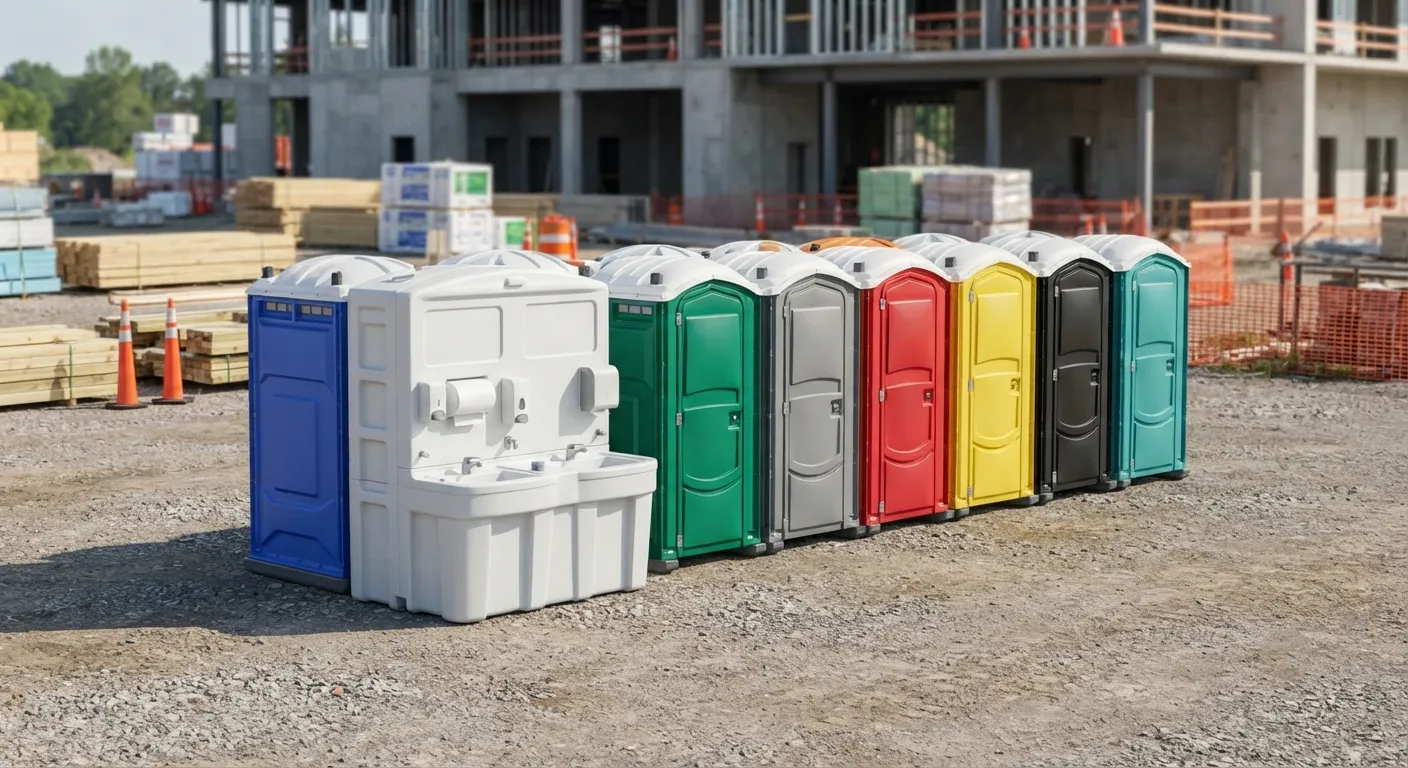
Yes. A trap that overflows during service hours needs a same-day response, not a scheduled slot next week. Pasadena Porta Pros treats a backed-up interceptor the same way as any emergency septic service call: fastest available truck, no waiting for the regular route. A grease trap that is not addressed can push waste back through floor drains, and that is a health code problem before it is a plumbing one, similar to the urgency covered at emergency porta potty rental for a jobsite with no working facilities.
If your kitchen also needs backup fixtures during the shutdown, a portable toilet rental or a restroom trailer rental covers staff needs while the trap is being cleared. Event kitchens and food trucks working a temporary site, like a fairground setup covered at county fair restrooms or a weekend booked through festival restroom rental, should plan grease service before the event starts rather than mid-run.
How do I know my grease trap needs pumping?
Look for slow drainage at the kitchen sink, a sour odor near the trap lid, or visible grease near the surface. These match the 25 percent depth threshold used industry-wide. Do not wait for a full backup. A quick check during a routine visit costs far less than an emergency call.
Is grease trap pumping different from septic tank pumping?
Yes. A grease trap handles fats, oils and solids from a commercial kitchen and fills on a weeks-long cycle. A septic tank handles household wastewater and is pumped every 3 to 5 years. See septic tank cleaning for the residential side.
How much does grease trap pumping cost in Pasadena?
A standard day visit runs $150 to $300, and a weekend call runs $50 to $150. Actual cost depends on trap size, grease volume and how far the crew has to travel within Pasadena.
Do restaurants need a permit for grease trap service?
Permit and disposal rules vary by facility and are not something to guess at. Confirm requirements with the city before scheduling recurring service, especially for a new commercial kitchen buildout, and check dumpster permit requirements if the same buildout needs a roll-off on site.
Can grease trap pumping be combined with other services?
Yes. Kitchens under renovation often add a portable restroom rental or storage container rental for equipment during the same window, and combining visits can reduce total trip charges, especially when paired with construction site services already scheduled for the remodel.
Next step
Get a delivery date
Tell us the address, the dates and the headcount. We size the order and confirm the route.